BESS Switch House Container Build for OCU Group

InBox Projects BESS switch house containers complete ready for Delivery

Inbox Projects recently completed the design and build of a series of bespoke switchgear containers for OCU Group which is a leading UK utility and infrastructure contractor. The project forms part of a major critical infrastructure programme to upgrade and strengthen Shetland’s power network, supporting the island’s long-term transition away from fossil-fuel generation and towards a cleaner, more resilient energy system.

Project Overview

OCU Group invited us to manufacture three purpose-built BESS Switch House Containers. They needed to be robust, fully specified enclosures designed to house and protect the critical electrical equipment required. The equipment will be used to manage, convert and safeguard a Battery Energy Storage System (BESS). This includes switchgear, inverters, transformers and associated control systems.

Once complete, the switch house containers were transported and installed at an existing renewable energy generation site in Shetland. Which is where they now form a key component of the new switching infrastructure supporting the islands’ upgraded substation network. The BESS installation in Lerwick provides vital grid stability. It acts as a standby power buffer in the event of a fault on Shetland’s HVDC interconnector to the Scottish mainland. This enables Lerwick Power Station to transition into a reduced standby role as renewable energy capacity across the islands grows and expands.

Critical Infrastructure Upgrade

Shetland’s energy network is undergoing a significant transformation. The completion of a new high-voltage direct current (HVDC) subsea interconnector and the commissioning of the 443MW Viking onshore wind farm have created both an opportunity and an engineering challenge: how to maintain a secure and stable power supply during the transition from diesel generation to renewable energy. The answer lies, in large part, in battery energy storage and the switchgear infrastructure required to manage it safely and effectively.

The new BESS switch house containers supplied by Inbox Projects are integral to this infrastructure. They house the electrical systems that connect, control and protect the battery storage assets, ensuring the wider network can operate reliably under a range of demand and fault scenarios. The project reflects the increasing demand for high-quality, technically specified containerised switchgear solutions at the heart of the UK’s renewable energy buildout.

Planning and Technical Specification

Upon receipt of the engineer-issued technical drawings and specifications, our technical team leader Stuart Carlon, moved swiftly to procure all necessary materials and components. The project demanded a high standard of material selection and construction quality, given the remote installation location and the critical nature of the electrical systems the containers would house.

The base units selected were three single-use, recycled 20ft ISO shipping containers — a proven platform for containerised substation and switchgear builds, offering structural robustness, standardised dimensions for transport logistics and a sustainable material choice. From this foundation, each container was fully engineered and fitted out to specification, incorporating the following key elements:

  • Security-rated access doors with multi-point locking systems, positioned at the container ends and mid-sections to allow flexible access to individual equipment zones
  • Weatherproof louvred ventilation panels, providing passive airflow while protecting against water ingress and debris
  • Fan-assisted mechanical ventilation and HVAC units to regulate internal temperature and manage heat generated by electrical components under load
  • External industrial-grade coating in RAL white, applied to all steel surfaces to reflect solar heat gain and provide long-term corrosion protection in Shetland’s demanding maritime environment

Structural Steelwork and Roofing

Prior to any fit-out work, the containers underwent full preparation by our engineering team headed up by Wayne Smith. Existing paint coatings were stripped back to bare steel and all structural modifications were marked out and cut to the exact dimensions specified in the engineering drawings from OCU.

A key structural element of the build was the fabrication and installation of a pitched roof system over each container. Pitched roofing improves rainwater run-off, it reduces the risk of standing water and long-term corrosion and provides an additional layer of thermal performance. Our fabricators welded the steel rafters, purlins and roof sheets as required. This formed a solid overhead structure that was then fully integrated with the container frame.

Floor reinforcement beams were also welded directly to the container base frame to create a rigid sub-structure capable of bearing the weight and dynamic loads of the heavy electrical equipment to be installed within.

Insulation and Internal Lining

To meet both thermal and acoustic performance requirements — and to satisfy fire safety standards — the internal walls, ceiling and floor were lined with fire-rated insulation panels. These composite panels, combining steel-faced plywood and mineral wool or equivalent fire-resistant core materials, provide thermal regulation to protect sensitive electrical equipment from temperature extremes, acoustic attenuation to reduce noise transmission and a rated fire barrier in line with applicable standards for electrical enclosures.

The internal linings were carefully fitted and jointed to maintain the integrity of the insulation layer and present a clean, professional internal finish suitable for a high-specification switchgear environment.

Flooring

The container floors were upgraded with checker plate steel flooring, installed over the reinforced steel support beams. Checker plate provides a durable, anti-slip surface capable of handling the point loads imposed by heavy switchgear and transformer equipment, as well as the regular foot traffic of maintenance personnel. This approach ensures both structural integrity and long-term performance in an industrial operational environment.

Electrical Installation

The electrical fit-out was carried out to full specification, with all containment, racking and wiring infrastructure installed prior to the commissioning of electrical equipment. This included:

  • Cable trays, cable containment systems, gland plates and earth bonding bars
  • Internal LED lighting and emergency lighting compliant with relevant electrical standards
  • Power outlets and local distribution boards
  • Medium-voltage (MV) and high-voltage (HV) switchgear — including vacuum and SF6 circuit breakers — for primary network switching and protection
  • Low-voltage (LV) distribution boards for auxiliary and control power supplies
  • Busbar systems for efficient power distribution within the enclosure
  • Load break switches and isolators for safe de-energisation and maintenance isolation
  • Instrument transformers (CTs and VTs) and associated metering and protection relay panels
  • SCADA and control system interfaces to enable remote monitoring and management of the BESS assets

Fire Detection and Suppression

Given the critical nature of the installation and the fire risk associated with high-energy electrical equipment, each container was fitted with a fully integrated fire detection and suppression system. This included automatic detection devices calibrated for the enclosed electrical environment, with suppression systems selected and installed in accordance with the project specification and applicable fire safety standards. These systems are designed to provide early warning and rapid response in the event of a thermal event, protecting both the electrical assets and the wider site infrastructure.

Delivering on Time and to Specification

The completed switch house containers were inspected, signed off and prepared for transport and installation on site in Shetland. Each unit was built to the precise dimensions and technical specifications required to interface directly with the wider BESS and substation infrastructure already in place — a testament to the accuracy of our fabrication process and the close coordination maintained with OCU Group’s engineering team throughout the project.

This project is a strong example of Inbox Projects’ capability in delivering complex, technically demanding containerised substation and switchgear enclosure solutions for major utility and renewable energy clients. From initial material procurement through to structural fabrication, insulation fit-out and electrical installation, our team managed the full build process — delivering three high-specification BESS switch house containers to support a nationally significant piece of energy infrastructure.

About Inbox Projects

Inbox Projects specialises in the design, fabrication and fit-out of containerised substations, switchgear rooms and electrical enclosures for the utility, renewable energy and industrial sectors. Our experienced team delivers bespoke solutions built to client specifications, combining structural steelwork expertise with high-quality electrical installation to produce fully compliant, deployment-ready units.

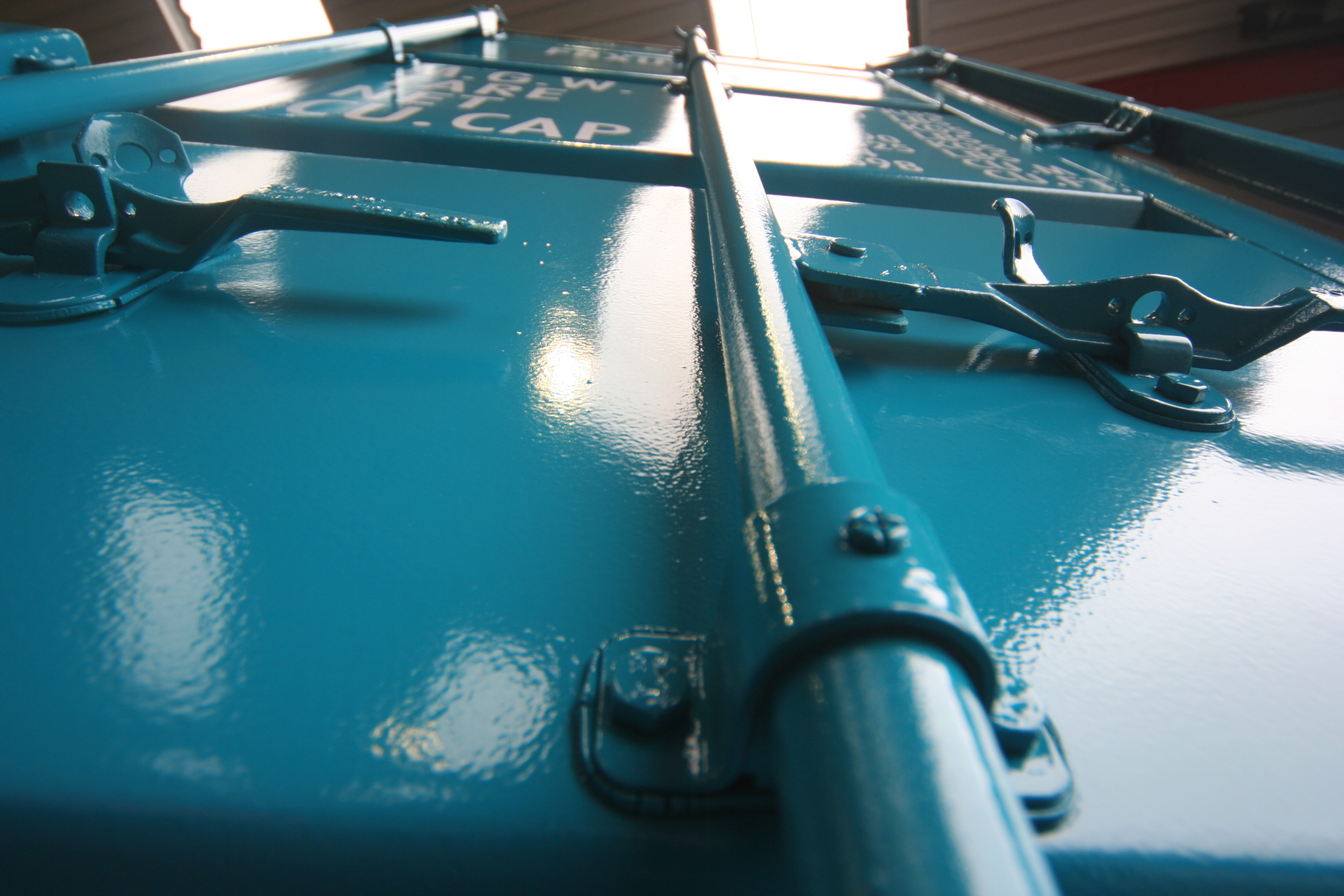
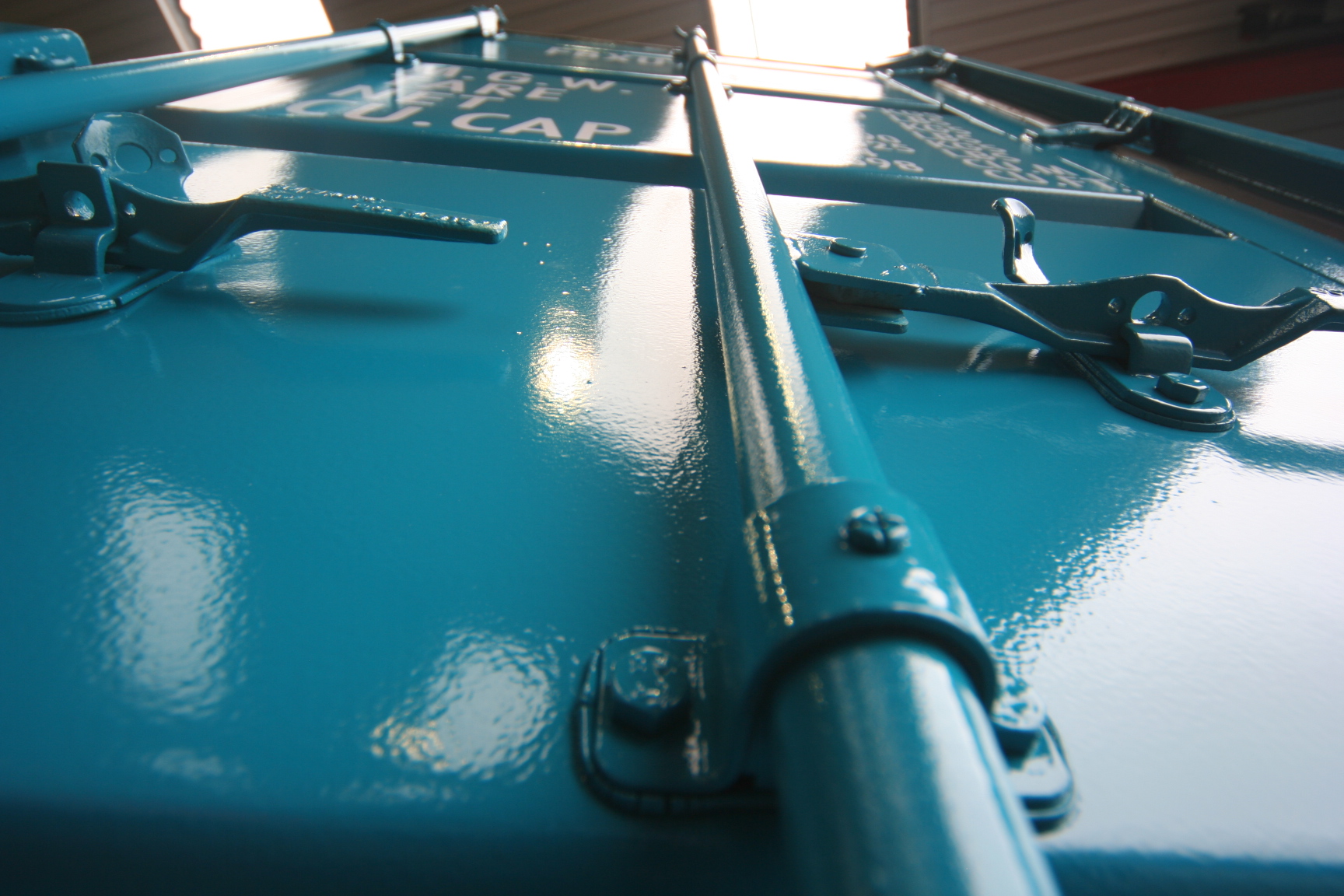
Switch house container painted components fitted and ready for delivery
Switch house container painted components fitted and ready for delivery.

Like what you see?

If you like what you see here and would like to find out what we can do for your BESS and Switch House needs please get in touch with Jessica Carlon our head of sales today using the contact form at the bottom of this page and she will get back to you within 48 hours. Our designers and engineers have a wealth of experience in BESS tech and we design, build and deliver throughout the UK.

Share this on :